

_edited.jpg)
Understanding Mpox: Overview, Management, and Nutritional Support
- Aug 20, 2024
- 3 min read
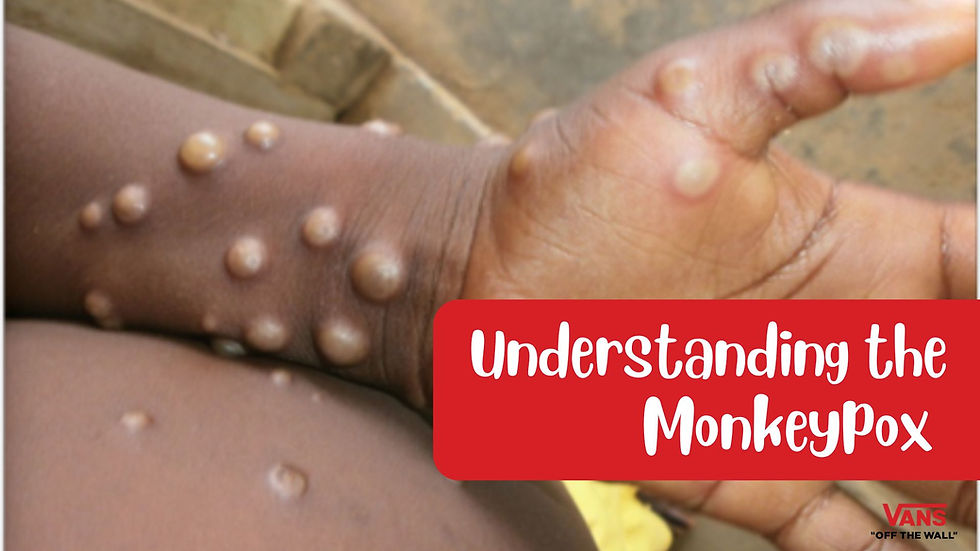
Mpox, previously known as monkeypox, is an infectious disease caused by the monkeypox virus, a zoonotic virus capable of spreading from animals to humans and through close contact with infected individuals or contaminated materials. First identified in monkeys in 1958, the virus has since been detected in various species, including rodents, which are considered the primary carriers. The disease presents with a range of symptoms, including fever, headache, muscle aches, back pain, low energy, and a painful rash that progresses through several stages before healing.
Recent Case in the Philippines
As of August 2024, the Department of Health (DOH) in the Philippines has reported a new case of mpox in a 33-year-old male with no recent travel history. This marks the first case since December 2023. The DOH continues to monitor and implement measures to prevent the spread of the virus within the country.

Clinical Presentation and Incubation Period
The incubation period for mpox ranges from 7 to 14 days, with initial symptoms resembling other viral infections. The characteristic rash appears a few days after the onset of fever and goes through several stages, including macules, papules, vesicles, pustules, and scabs, which eventually fall off as the skin heals. Enlarged lymph nodes are also a notable feature of the disease, helping differentiate it from other pox-like illnesses.
Medical Management
Currently, there is no specific antiviral treatment approved for mpox. Medical management is primarily supportive, focusing on symptom relief and preventing complications. The following approaches are typically employed:
Symptomatic Relief: Over-the-counter medications, such as acetaminophen or ibuprofen, can be used to manage fever and pain. Severe cases may require hospitalization for more intensive care.
Isolation and Quarantine: Infected individuals are advised to self-isolate to prevent the spread of the virus. According to WHO guidelines, patients should remain in isolation until all scabs have fallen off and new skin has formed .
Infection Control Measures: Proper hygiene, including covering lesions and wearing well-fitting masks, is crucial. In healthcare settings, standard precautions, including the use of personal protective equipment (PPE), should be strictly followed.
Vaccination: Some countries recommend smallpox vaccines for individuals at high risk of exposure, particularly healthcare workers, due to the similarities between the monkeypox and smallpox viruses .
Nutritional Support for Mpox Recovery
Nutrition plays a vital role in supporting the immune system and aiding recovery from infections like mpox. A balanced diet rich in protein, antioxidants, and fluids can help the body repair damaged cells, boost immunity, and maintain overall health.
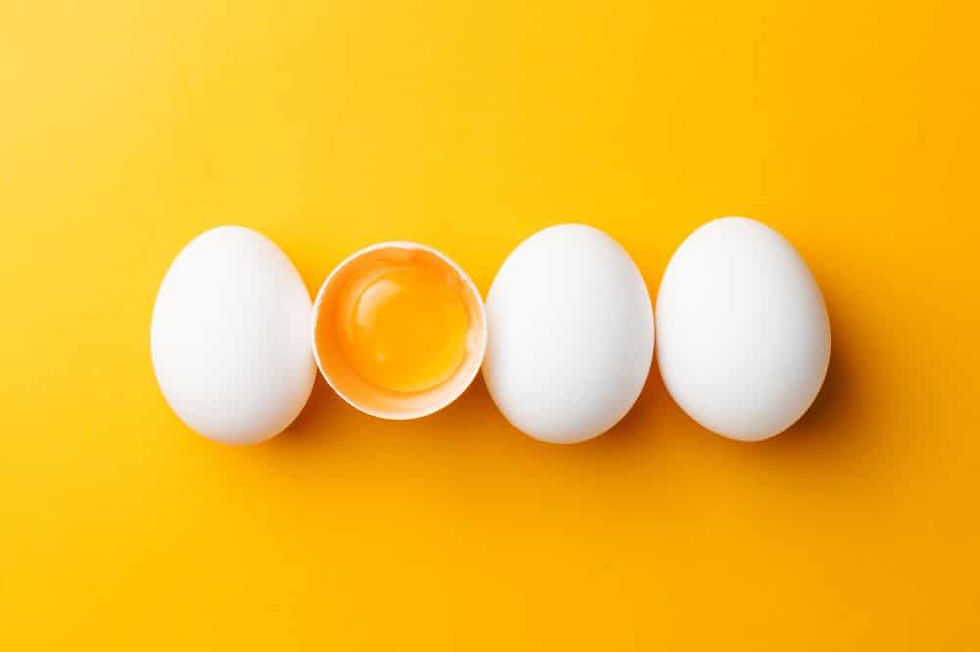
Protein-Rich Foods: Essential for cell development and tissue repair, recommended sources include chicken, fish, eggs, lentils, and dairy products.
Antiviral Foods: Certain foods with antiviral properties can support the body's defense mechanisms, although specific examples and evidence in the context of mpox are limited.
Fluids: Staying hydrated is crucial, especially during fever. Water, herbal teas, and broths are recommended for maintaining hydration .
Foods to Avoid:
Processed Foods: Items like biscuits, chips, and other processed snacks can weaken the immune system and should be avoided.
Uncooked Meats: Raw or undercooked meats can harbor pathogens that might complicate the condition.
Excessive Stimulants: Limit coffee to 1 to 2 cups daily , Limit tea to 1 to 2 cups daily, and limit to cut alcohol consumption, as these can lead to dehydration and stress the immune system.
Sugary Beverages and Soft Drinks: These contribute to inflammation and provide empty calories, which do not support recovery.

Immunity-Boosting Recipe: Kadha
An immunity-boosting herbal drink, known as kadha, can support recovery during mpox infection. The recipe includes ingredients like tulsi leaves, ginger, garlic, cloves, cinnamon, and amla juice, known for their antioxidant and anti-inflammatory properties. Consuming this kadha 1-2 times daily may provide additional support for the immune system during recovery.
General Health and Lifestyle Tips
In addition to medical and nutritional support, general health practices are important for recovery from mpox:
Rest and Recovery: Adequate rest and sleep are essential for the body's healing process.
Stress Management: Managing stress through practices like yoga, meditation, and deep breathing can help maintain a strong immune system.
Hygiene Practices: Regular hand washing, sanitizing frequently touched surfaces, and avoiding sharing personal items are critical in preventing the spread of the virus .
Conclusion
While mpox can be a serious illness, with proper medical management, nutritional support, and adherence to health guidelines, most individuals can fully recover. Awareness, early detection, and prompt medical attention are key to controlling the spread of mpox and minimizing its impact on public health.
References:
World Health Organization. (n.d.). Mpox (monkeypox). https://www.who.int/news-room/fact-sheets/detail/monkeypox
Philippine News Agency. (2024). DOH detects new mpox case in the Philippines. Philippine News Agency. https://www.pna.gov.ph/articles/1231466
Fernando, R. (2024). Nutrition and immunity: Supporting recovery from infections. LinkedIn. https://www.linkedin.com/pulse/understanding-monkey-pox-outbreak-ryan-fernando--xwp3c/?trackingId=z2rQLbfGTC2qkpQEVC0kjQ%3D%3D
Centers for Disease Control and Prevention. (2024). Mpox - Current overview. https://www.cdc.gov/poxvirus/mpox/about/index.html
Inquirer.net. (2024). DOH reports new mpox case - August 2024. https://newsinfo.inquirer.net/1974250/mpox-case-in-the-philippines#:~:text=MANILA%2C%20Philippines%20%E2%80%94%20A%20new%20case,logged%20cases%20nationwide%20to%2010


Comments